Archives
- 2026-10
- 2026-09
- 2026-08
- 2026-07
- 2026-06
- 2026-05
- 2026-04
- 2026-03
- 2026-02
- 2026-01
- 2025-12
- 2025-11
- 2025-10
- 2025-09
- 2025-03
- 2025-02
- 2025-01
- 2024-12
- 2024-11
- 2024-10
- 2024-09
- 2024-08
- 2024-07
- 2024-06
- 2024-05
- 2024-04
- 2024-03
- 2024-02
- 2024-01
- 2023-12
- 2023-11
- 2023-10
- 2023-09
- 2023-08
- 2023-07
- 2023-06
- 2023-05
- 2023-04
- 2023-03
- 2023-02
- 2023-01
- 2022-12
- 2022-11
- 2022-10
- 2022-09
- 2022-08
- 2022-07
- 2022-06
- 2022-05
- 2022-04
- 2022-03
- 2022-02
- 2022-01
-
Knowledge about adipose tissue has
2025-01-22
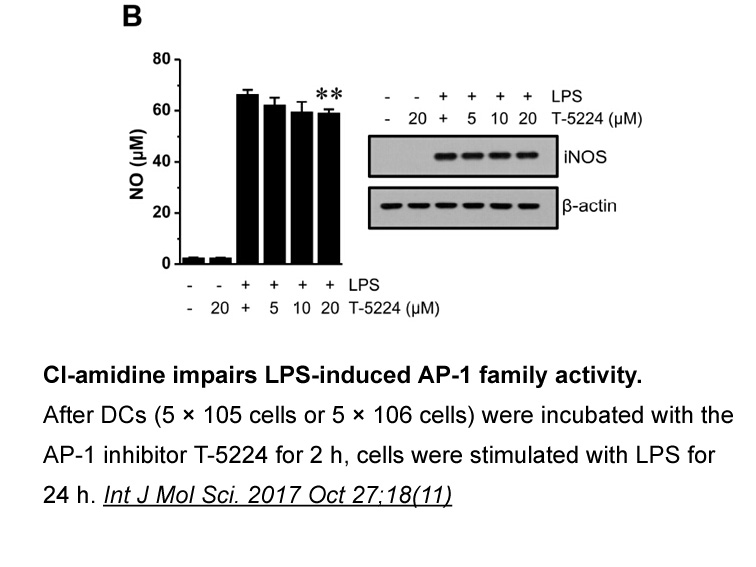
Knowledge about adipose tissue has evolved considerably over the last two decades. Always been described as an inert tissue having the function of stocking lipids, adipose tissue is now recognized as a real organ with both metabolic and endocrine functions secreting various factors into the blood to
-
Breast Cancer Although androgens have been considered to
2025-01-21
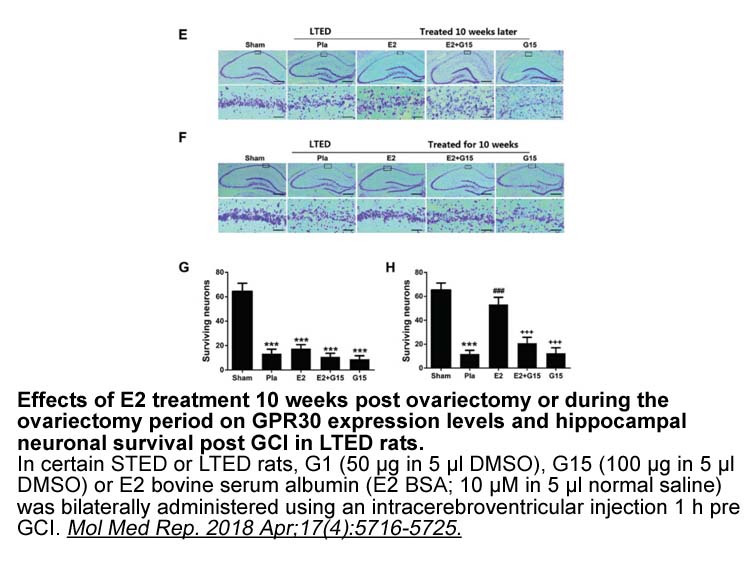
Breast Cancer: Although androgens have been considered to be a risk factor in prostate cancer they have been recommended to treat breast cancers. Even before the discovery of SERMs and aromatase inhibitors, steroidal androgens such as medroxyprogesterone and fluoxymesterone were used to treat breast
-
br We approached the definition of AD with the distinction
2025-01-21
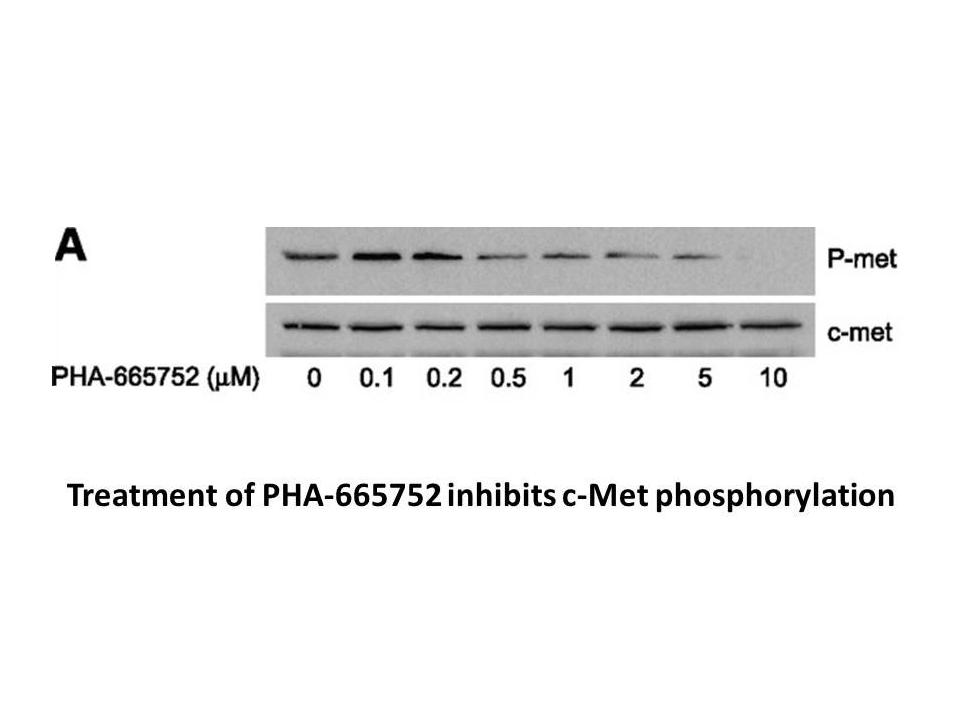
We approached the definition of AD with the distinction between a syndrome and a disease in mind. Some will argue that a specific syndrome, that is, a multidomain amnestic dementia (after other potential etiologies have been excluded), should define AD in living people. Our position, however, is t
-
br Discussion AhR is a receptor that
2025-01-21
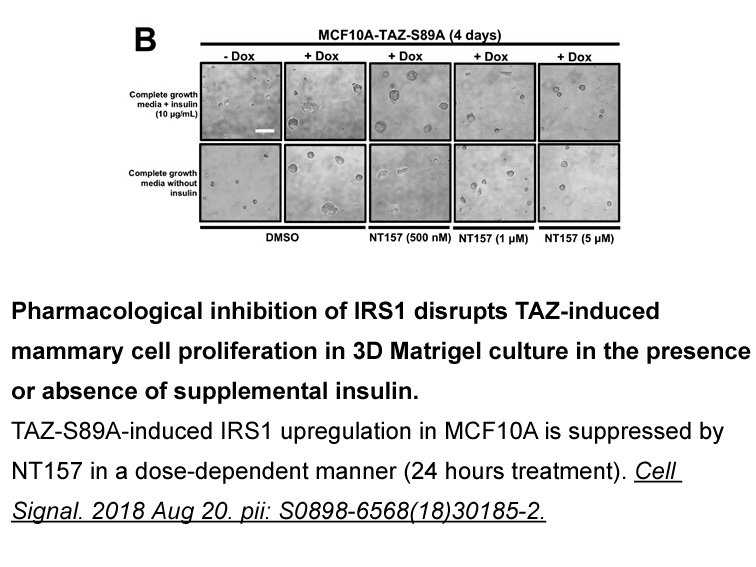
Discussion AhR is a receptor that binds to a great variety of lipophilic compounds, in particular those containing at least one aromatic ring (Abel and Haarmann-Stemmann, 2010, Guyot et al., 2013, Hahn, 2002). The main known function of this receptor is to induce the metabolism of these compounds
-
Growing evidence indicates that GRKs can
2025-01-21
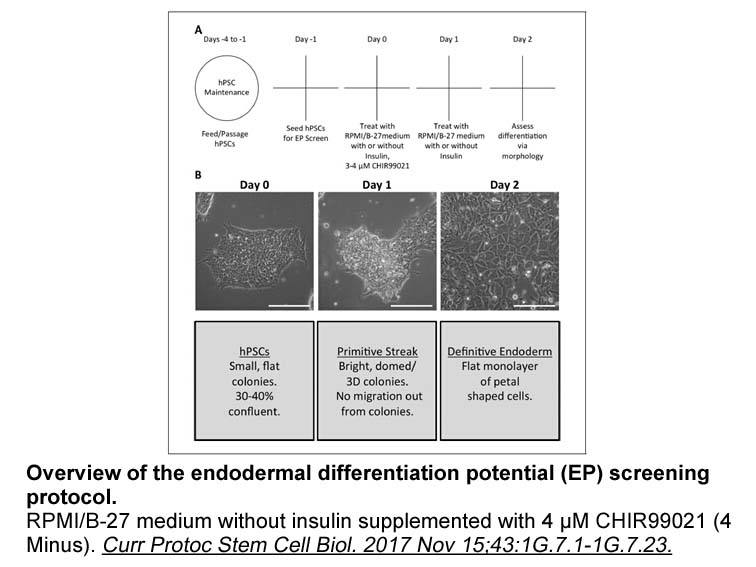
Growing evidence indicates that GRKs can exert different effects within the cell depending on the stimulus, cell type, and localization [97], [121]. In this sense, we were the first to demonstrate a mitochondrial localization for GRK2 [122], later confirmed by other investigators [123], establishing
-
br Functions essentially consisting in transport of substrat
2025-01-21
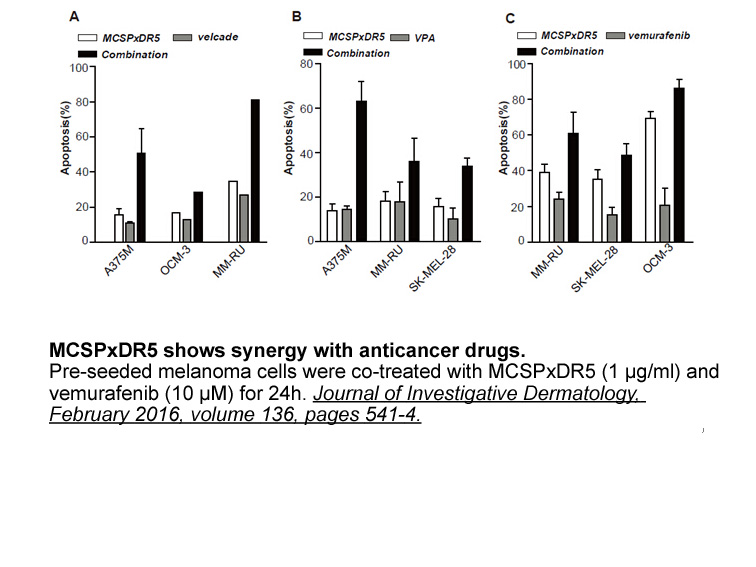
Functions essentially consisting in transport of substrates across plasma membranes Direct activation of neurotransmitter transporters elicits responses in neurons As previously mentioned (Section 2.1), nerve terminals handling classical transmitters possess transporters able to (re)capture se
-
Rhodamine 123 protocol br ABCA and cancer drug response Over
2025-01-21
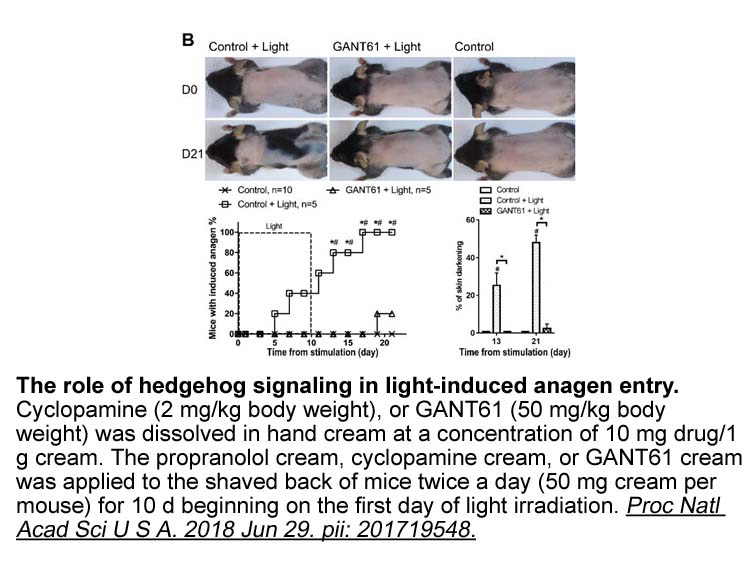
ABCA2 and cancer drug response Overall, the expression of ABC transporters has been linked with multidrug resistance phenotypes through the efflux of drugs via ATP-dependent transport. For example, 13 distinct transporters (ABCA2, ABCB1, ABCB4, ABCB11, ABCC1–6 ABCC10, ABCC11 and ABCG2) have been
-
In particular we focused our attention on beta
2025-01-21
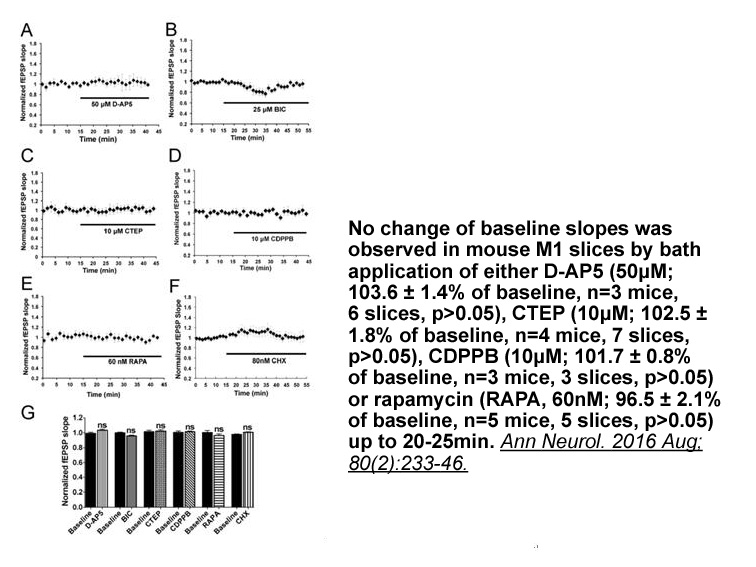
In particular, we focused our attention on beta2 adrenergic receptors, since their commercial inhibitors are effective in lowering IOP, the primary indication of glaucoma. The hypotensive action of a commercial sequence of beta2 adrenergic receptor siRNA was tested in rabbits. The results confirmed
-
br Detection and possible treatments for prostate
2025-01-21
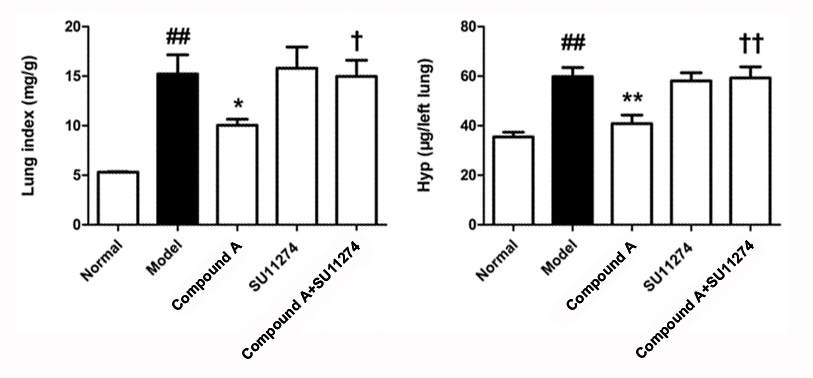
Detection and possible treatments for prostate cancer PC can be diagnosed, by screening for prostate-specific antigen (PSA) and after diagnosis, treatments may include intense observation, radical prostatectomy, radiation, chemotherapy, hormone therapy or vaccination depending on the type and sta
-
HDAC6 signaling inhibitor In terms of the ring B C position
2025-01-21
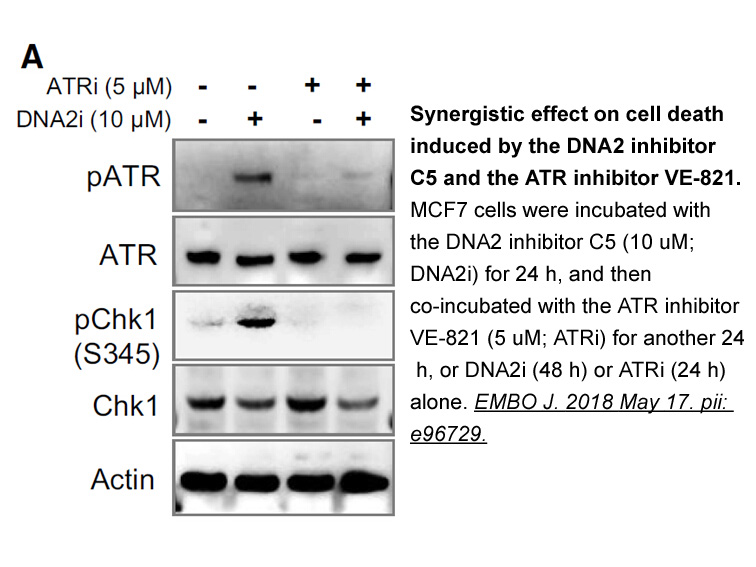
In terms of the ring B C5′ position, while C5′-F (compound ) was tolerated, C5′-Me (compound ) and C5′-Cl (compound ) substitutions resulted in a loss in potency. However, the C5′-OMe substitution (compound ) resulted in a ∼3-fold increase in potency compared to . Modeling suggested a pseudo hydroge
-
Similar to V the temporal
2025-01-21
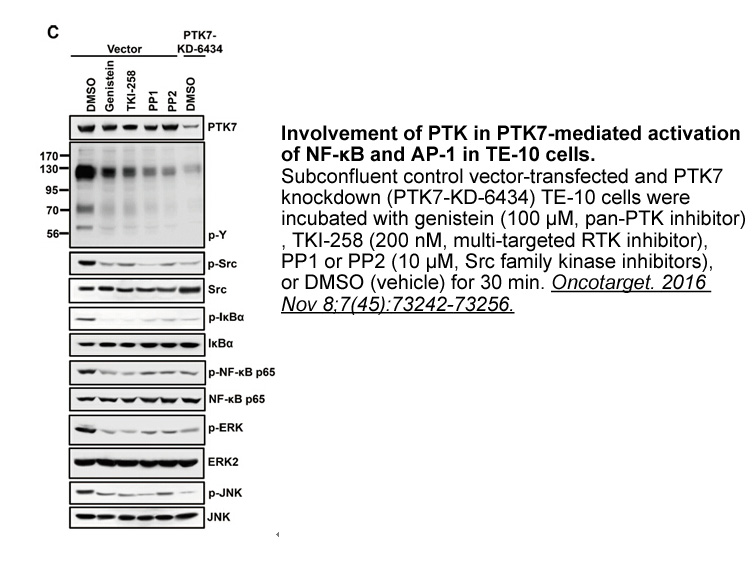
Similar to V1, the temporal neocortex of mammals, including the primary auditory cortex (A1), is densely innervated by 5-HT fibers originating mainly in the dorsal raphe nucleus (Campbell et al., 1987, Harding and Paxinos, 2004, Törk, 1990), and the major Amiloride HCl of 5-HTRs are expressed throug
-
CYP A is one of the key metabolizing enzymes
2025-01-21
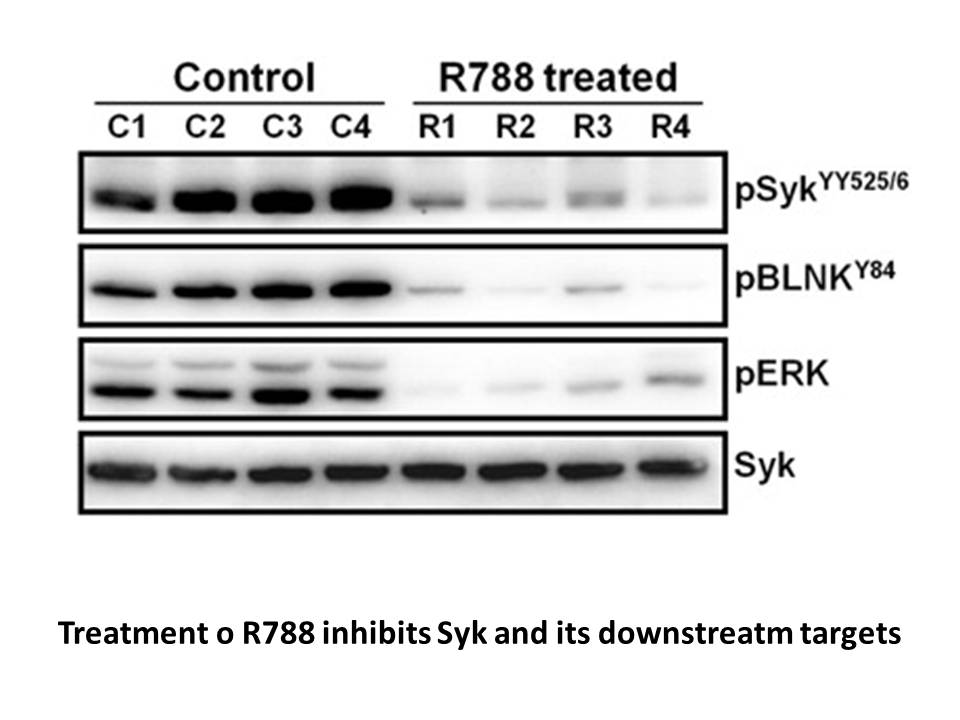
CYP3A4 is one of the key metabolizing CGRP (rat) receptor of the cytochrome P450 (CYP) superfamily of heme-containing monooxygenases. As the CYP family of enzymes plays important roles not only in the xenobiotic metabolism and detoxification of a large number of drugs, but also in the biosynthesis
-
Nogo-66 (1-40) Because serum ATX activity and plasma LPA
2025-01-21
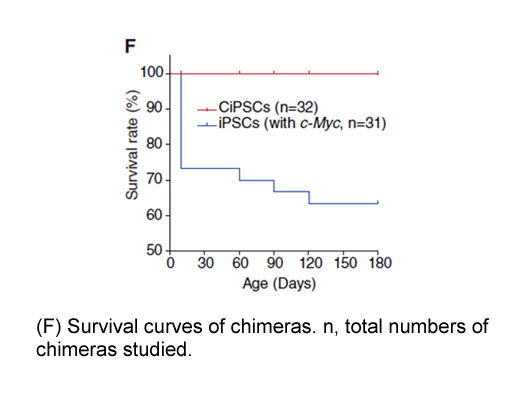
Because serum ATX activity and Nogo-66 (1-40) LPA are well correlated with liver fibrosis stage histologically, both of these parameters merit consideration as novel markers of fibrosis. However, serum ATX activity may be a more useful test from a clinical laboratory perspective. First, LPA can inc
-
br Introducing toll like receptors
2025-01-20
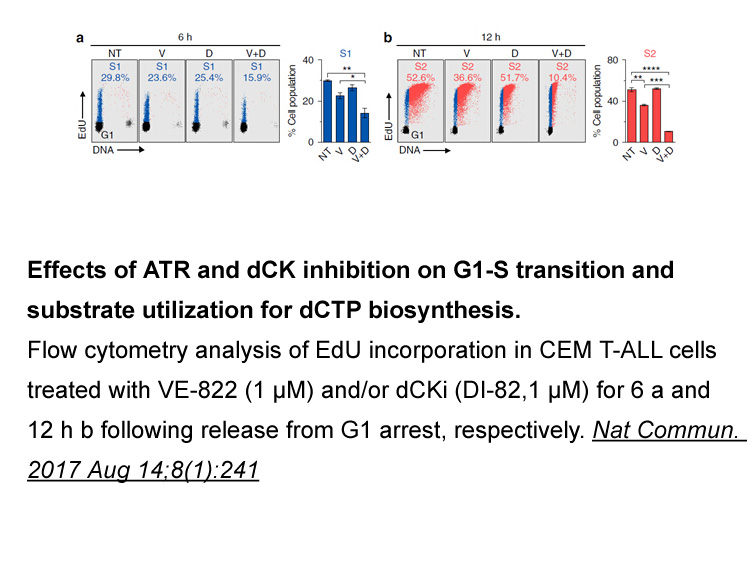
Introducing toll like receptors TLRs are the most important receptors which are expressed on the cytoplasmic and internal vesicles membrane. They have a similar structure including a leucine-rich repeats (LRRs) domain which is out of INO-1001 membrane, a hydrophobic transmembrane and a toll/inter
-
side effects for clarithromycin In our study S aureus activa
2025-01-20
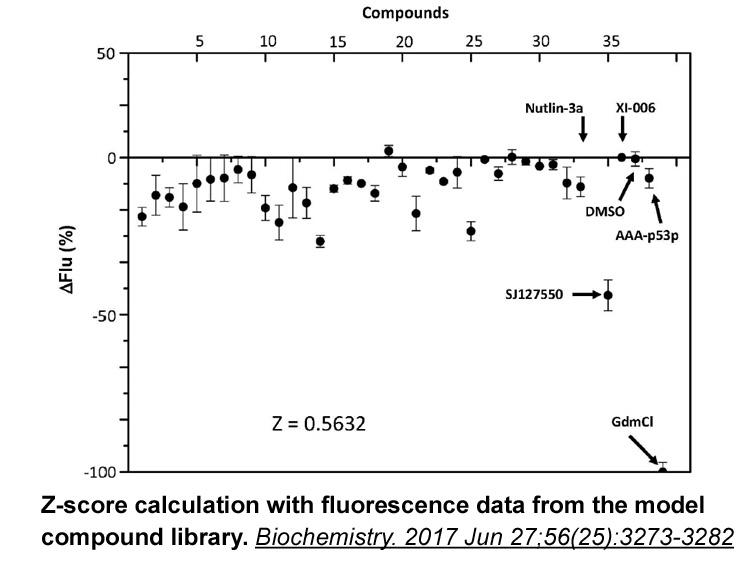
In our study, S. aureus activated the TLR signaling pathways of BMECs, thus inducing profibrogenic growth factor expression via NF-κB and AP-1. Since fibrosis is an important pathogenic process in both bovine and human mastitis, further studies on the molecular mechanisms of S. aureus infection are
8626 records 58/576 page Previous Next First page 上5页 5657585960 下5页 Last page