Archives
- 2026-10
- 2026-09
- 2026-08
- 2026-07
- 2026-06
- 2026-05
- 2026-04
- 2026-03
- 2026-02
- 2026-01
- 2025-12
- 2025-11
- 2025-10
- 2025-09
- 2025-03
- 2025-02
- 2025-01
- 2024-12
- 2024-11
- 2024-10
- 2024-09
- 2024-08
- 2024-07
- 2024-06
- 2024-05
- 2024-04
- 2024-03
- 2024-02
- 2024-01
- 2023-12
- 2023-11
- 2023-10
- 2023-09
- 2023-08
- 2023-07
- 2023-06
- 2023-05
- 2023-04
- 2023-03
- 2023-02
- 2023-01
- 2022-12
- 2022-11
- 2022-10
- 2022-09
- 2022-08
- 2022-07
- 2022-06
- 2022-05
- 2022-04
- 2022-03
- 2022-02
- 2022-01
br Importance of iron and lipoxygenase in
2022-01-07
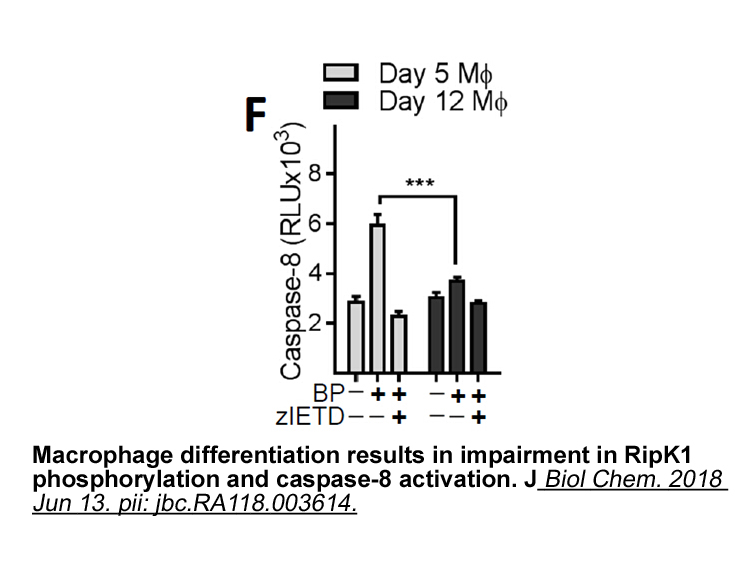
Importance of iron and lipoxygenase in ferroptosis What remains to be somewhat controversial is the role of iron and lipoxygenases (LOX) in the death process, specifically in lipid peroxidation. So far, iron chelators have been repeatedly shown to halt ferroptosis (hence its name) induced by chem
The combination of HIV antigen
2022-01-07
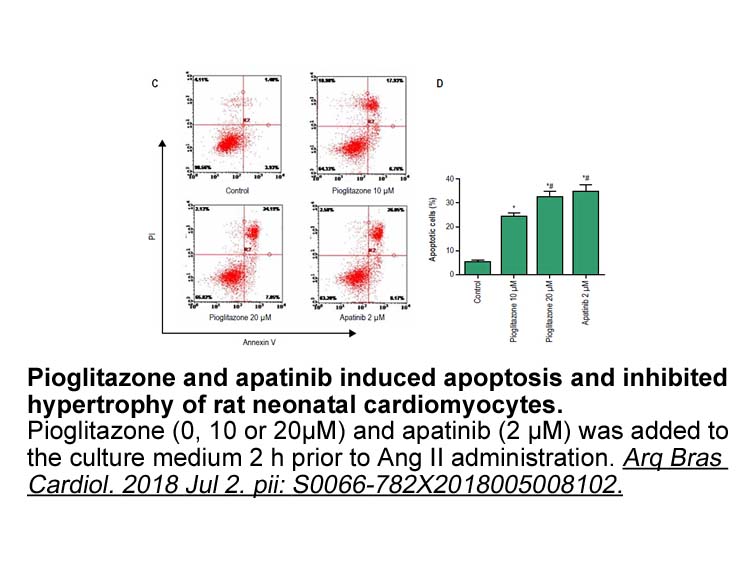
The combination of HIV antigen and antibody testing with the fourth generation immunoassays shortens the window AG-14361 mg for HIV by detecting HIV antigen, which appears in the blood before seroconversion [3,5,11,12]. Analysis of the seroconversion panels indicated the Elecsys® HIV Duo assay has
The finding of histamine action on ASICs also raises
2022-01-07
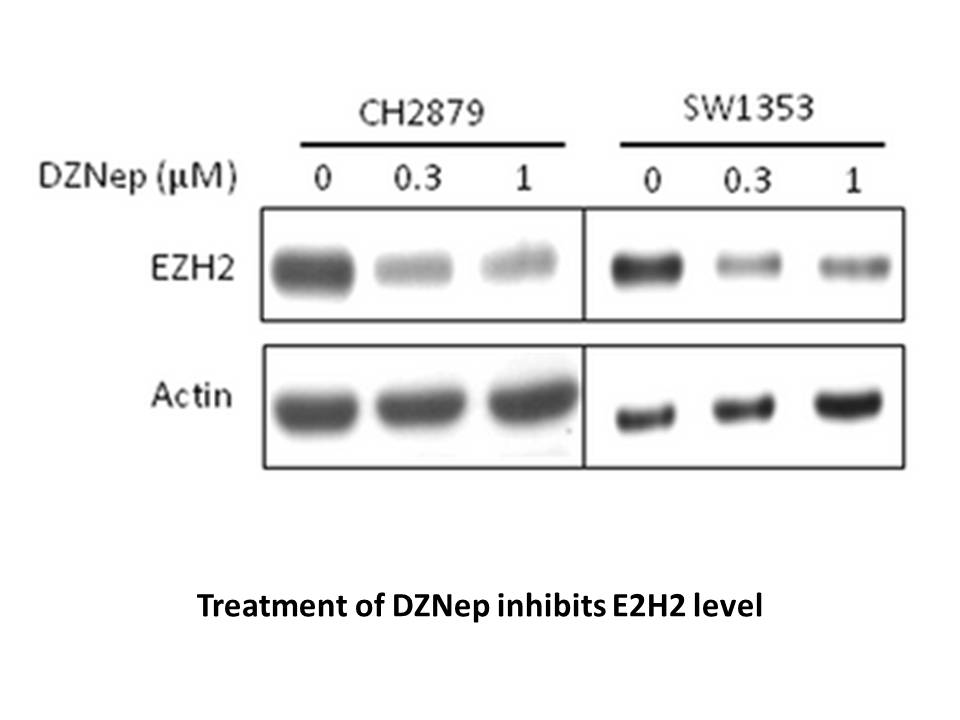
The finding of histamine action on ASICs also raises the question about possible action of other histamine receptor ligands. In the present work we selected several compounds and performed electrophysiological testing of their action on recombinant homomeric ASIC1a and ASIC2a. Nα-methylhistamine is
br Hippo Signaling in Autoimmunity An imbalance of
2022-01-07
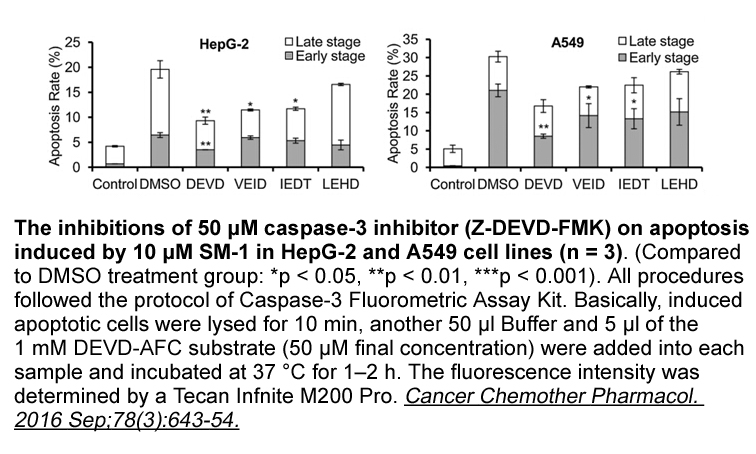
Hippo Signaling in Autoimmunity An imbalance of T cell subsets, such as immunosuppressive regulatory T Nocodazole (Treg) and inflammatory TH17, has a key role in autoimmune diseases. Recently, investigations found that TAZ but not YAP enhances TH17 differentiation but attenuates Treg differentia
br Materials and methods br Results Heterologous expression
2022-01-07
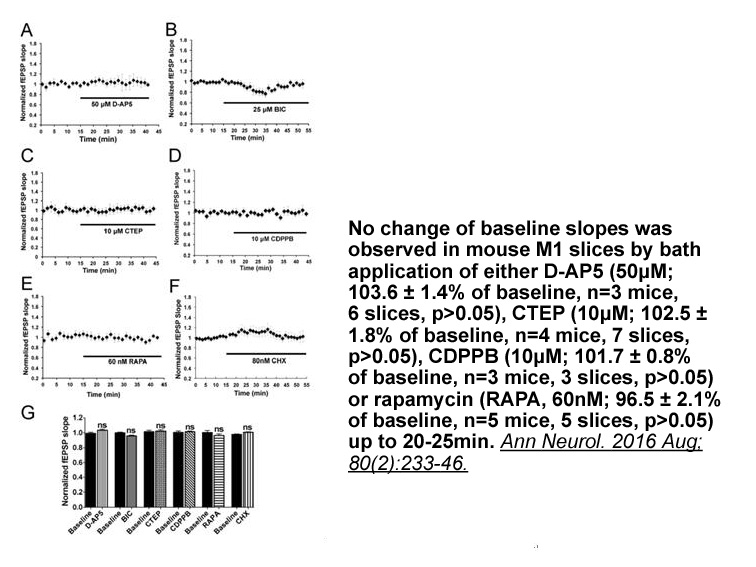
Materials and methods Results Heterologous expression of P. locustae Hxk in methylotrophic yeast P. pastoris was not accompanied by nuclear localization of parasite protein (Fig. 1). The addition of leptomycin B, a specific inhibitor of nuclear export in fission yeast Schizosaccharomyces pombe
br An approach for the key challenges facing
2022-01-07

An approach for the key challenges facing forensic science One of the key challenges for forensic science is to avoid being side-tracked by one of the louder narratives in the media that the big problem forensic science faces is ‘junk science’ and ‘rogue scientists’. These are clearly important i
When analyzing HIV AIDS patients in S
2022-01-07
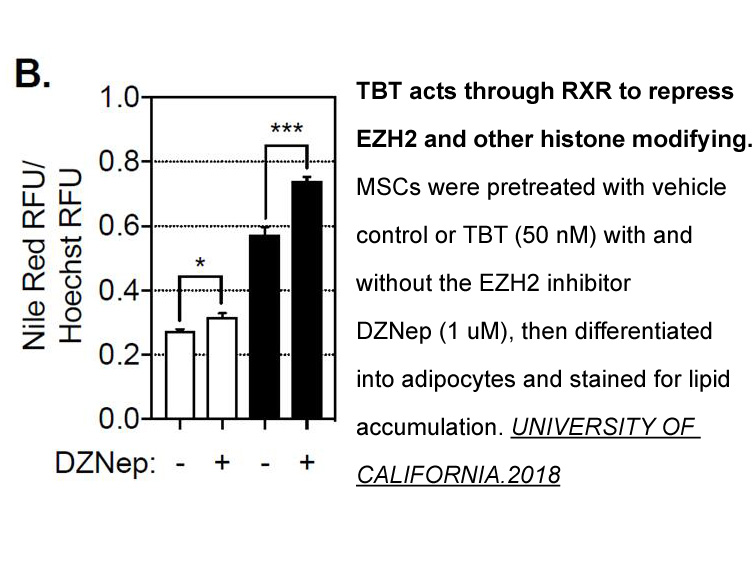
When analyzing HIV/AIDS patients in São Paulo, we detected an association between HIV/HTLV-1/2 infection in black/pardo-colored individuals (OR 2.21, 95% CI 1.21–4.03). However, the majority of serum samples were from patients attending specialized services for hepatitis, other than HIV/AIDS or HTLV
HBV is an enveloped double stranded DNA virus which is
2022-01-07
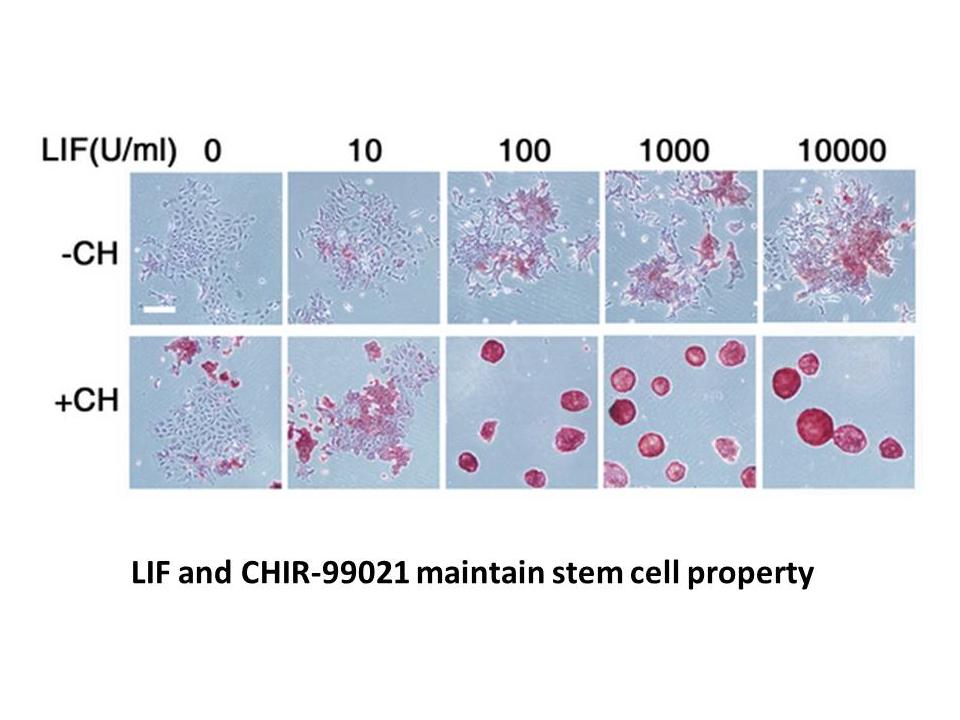
HBV is an enveloped, double-stranded DNA virus, which is transcripted into four major transcripts [6]. Among them, the 3.5 kb pregenomic RNA (pgRNA) directs the translation of HBV polymerase, core protein and acts as template for reverse transcription. So viral transcription is a key step of virus l
br Conclusion We conducted single marker association
2022-01-06
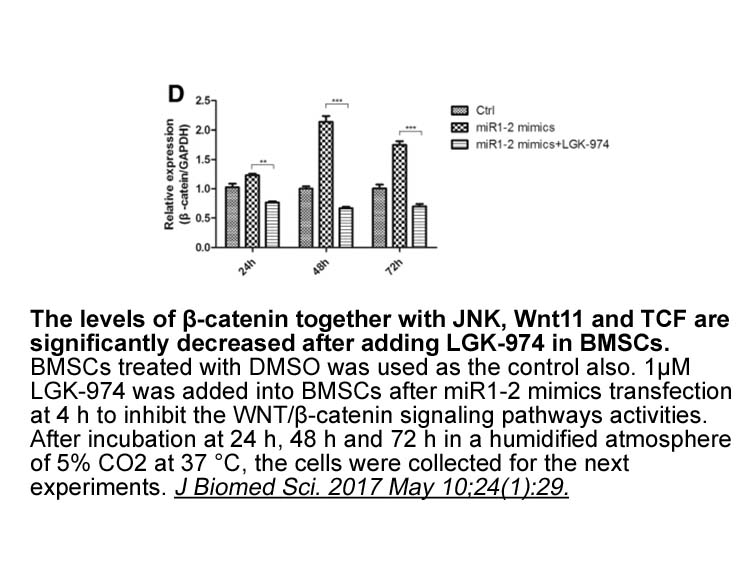
Conclusion We conducted single-marker association and haplotype association analyses of genetic mutations in porcine SLA-DOB and CD4 genes with T-lymphocyte subsets, cytokines, and michele fuortes in pregnant Landrace sows and obtained the SNPs and insertion that significantly affected the immuni
Based on work from our labs with mGlu NAMs
2022-01-06
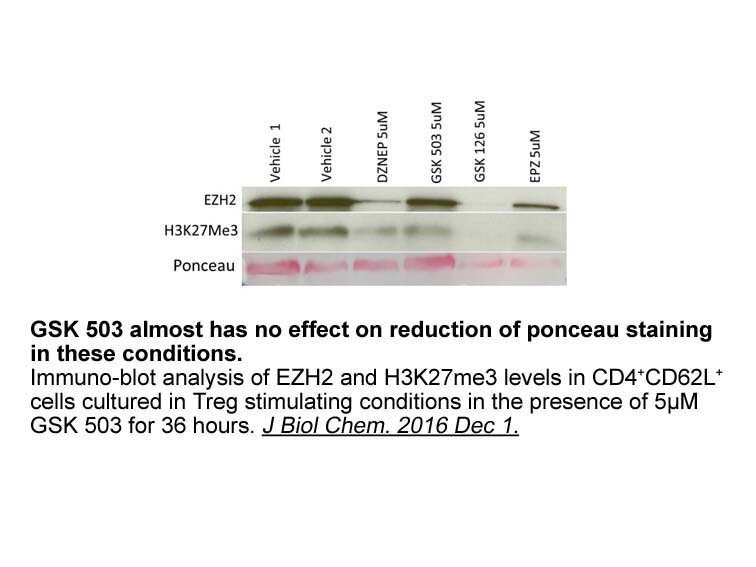
Based on work from our labs with mGlu NAMs, and the ability of [3.3.0] systems, such as the octahydropyrrolo[3,4-]pyrrole, to effectively mimic piperazines, we focused our attention on the potential bioisoteric replacement of the [3.1.0] system of and , as well as the piperidine of , with a [3.3.0]
Bergmann glia cells BGCs are the most abundant glia
2022-01-06
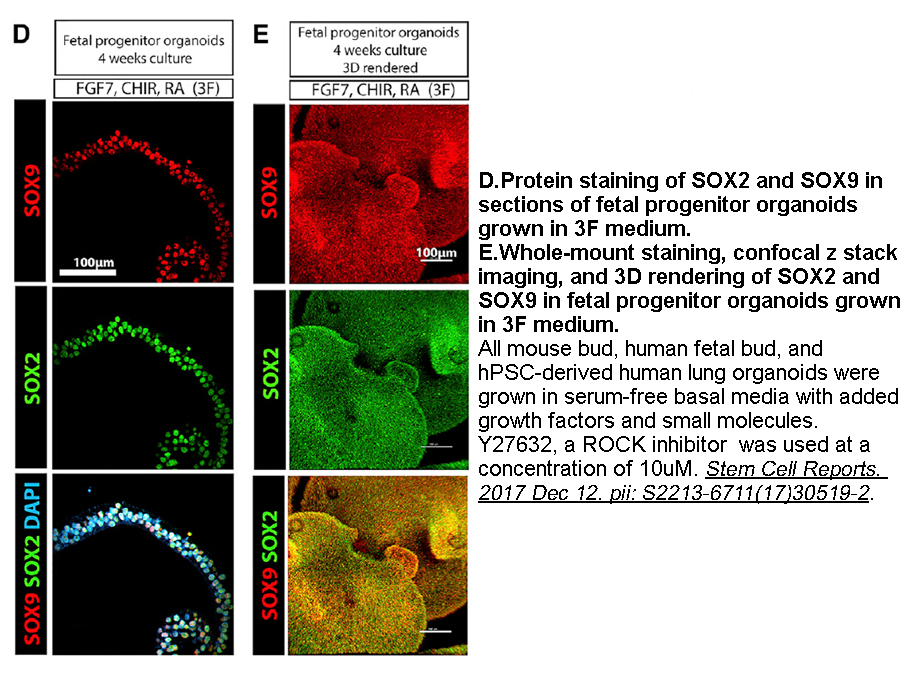
Bergmann glia 5-Methoxy-CTP (BGCs) are the most abundant glia cells in the cerebellum, comprising more than 90% of the cerebellar glia. These cells span the entire cerebellar molecular layer and encapsulate neuronal somata, dendrites and axons. BGC are involved in neurotransmitter uptake, K+ homeos
In a previous study M
2022-01-06
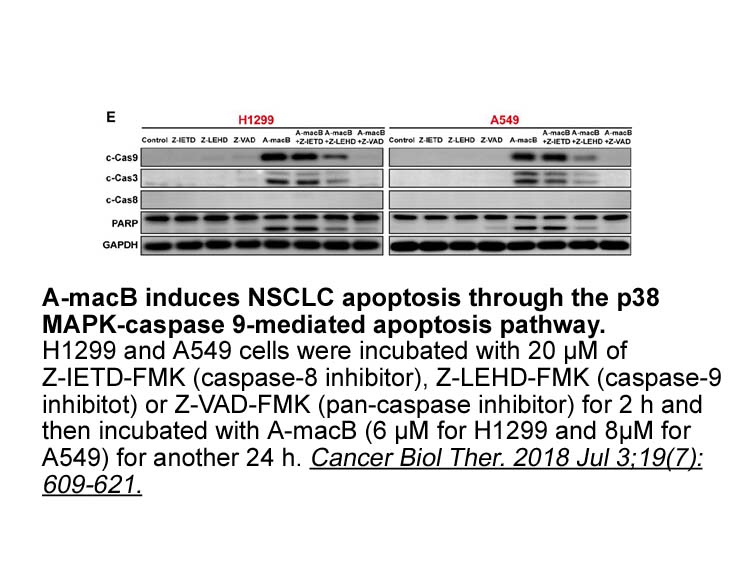
In a previous study (Möykkynen et al., 2003), we reported that ethanol lengthens the time needed for the AMPA receptors to recovery from desensitization in isolated hippocampal neurons. Here, we did not observe any effect of ethanol on recovery from desensitization in recombinant homomeric GluR-D re
So in this study our results firstly demonstrated that i
2022-01-06
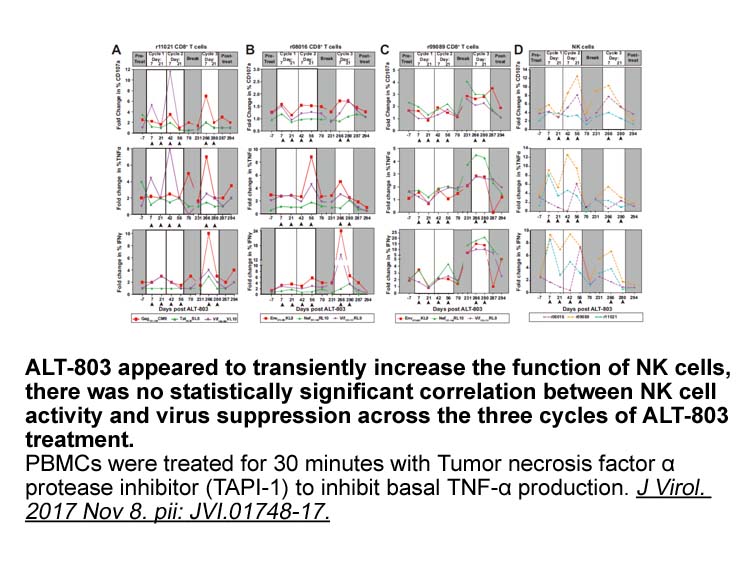
So in this BET bromodomain inhibitor study, our results firstly demonstrated that i.c.v. injection of ghrelin(1–7)-NH2 played a significant role in the modulation of the acute heat pain at the supraspinal level in mice. Our results showed that i.c.v. injection of ghrelin(1–7)-NH2 produced dose- and
One major issue has dominated studies of the nematode
2022-01-06

One major issue has dominated studies of the nematode connectome: its reproducibility. The difficulties that had to be surmounted just to assemble a complete wiring diagram precluded comparisons of the complete wiring from several different animals. Instead the earliest adult hermaphrodite wiring di
Recent studies have shown that epigenetic modification is
2022-01-06
Recent studies have shown that epigenetic modification is involved in neuropathic pain. For instance, peripheral noxious stimulation changes DNA methylation and histone modifications, which are related to pain hypersensitivity under chronic pain conditions [8]. Importantly, the epigenetic abnormalit
8636 records 572/576 page Previous Next First page 上5页 571572573574575 下5页 Last page