Archives
- 2026-10
- 2026-09
- 2026-08
- 2026-07
- 2026-06
- 2026-05
- 2026-04
- 2026-03
- 2026-02
- 2026-01
- 2025-12
- 2025-11
- 2025-10
- 2025-09
- 2025-03
- 2025-02
- 2025-01
- 2024-12
- 2024-11
- 2024-10
- 2024-09
- 2024-08
- 2024-07
- 2024-06
- 2024-05
- 2024-04
- 2024-03
- 2024-02
- 2024-01
- 2023-12
- 2023-11
- 2023-10
- 2023-09
- 2023-08
- 2023-07
- 2023-06
- 2023-05
- 2023-04
- 2023-03
- 2023-02
- 2023-01
- 2022-12
- 2022-11
- 2022-10
- 2022-09
- 2022-08
- 2022-07
- 2022-06
- 2022-05
- 2022-04
- 2022-03
- 2022-02
- 2022-01
br Apelin The APJ receptor ligand apelin
2024-08-01
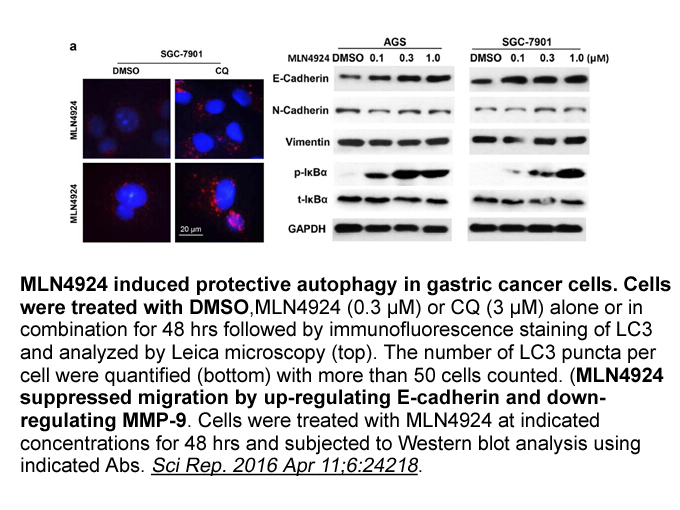
Apelin The APJ receptor ligand apelin firstly in 1998 was segregated from bovine stomach tissue. Human preproapelin gene located on chromosome Xq25–26.1. The apelin preproproteins consist of 77 amino PND-1186 residues that are cleaved into biologically active C-terminal fragments of various sizes
br Apelin Discovered in apelin was initially identified as
2024-08-01
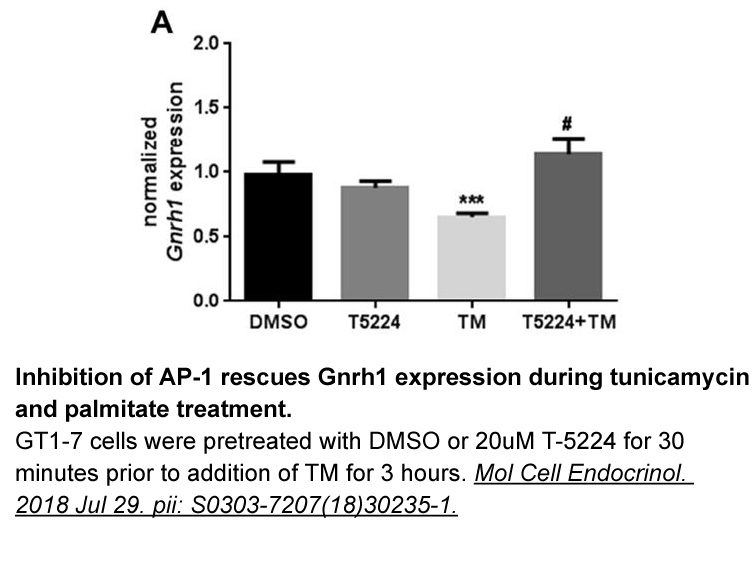
Apelin Discovered in 1998, apelin was initially identified as the sole endogenous ligand for the APJ receptor (Tatemoto et al., 1998). Apelin-77 (pre-pro-apelin) is the precursor for various pharmacologically active apelin isoforms (e.g. apelin-12, -13, -17 and 36), and it shares 75–95% sequence
Limitations of this study include the use of HL
2024-08-01
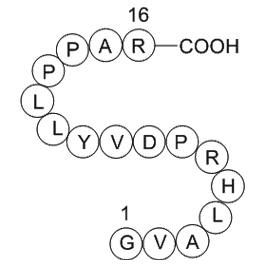
Limitations of this study include the use of HL-1 cardiomyocytes, which show different characteristics than primary cardiomyocytes [56]. Furthermore, sustained TAC in Ampkα1-deficient mice did not favorably influence cardiac function [33]. It must be kept in mind that global Ampkα1-deficiency may af
Unfortunately results of serum plasma AC
2024-08-01
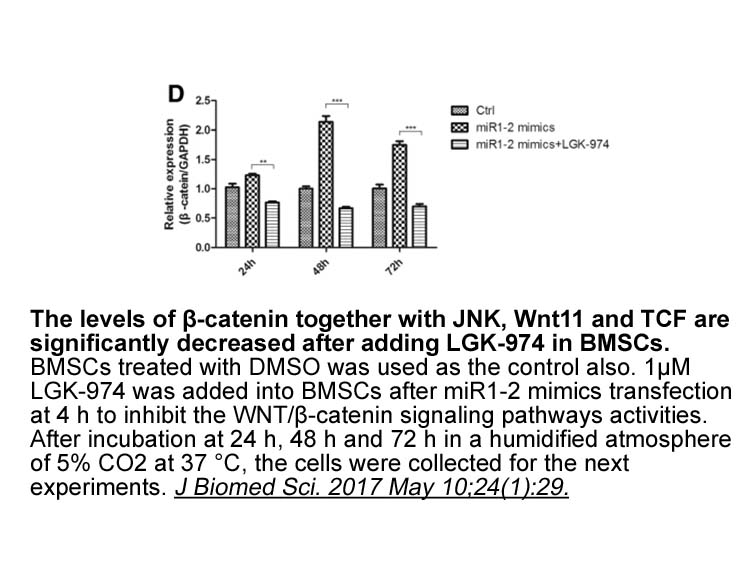
Unfortunately, results of serum/plasma AC assessment after food antioxidant intake are rather controversial: although some papers reported an increase of AC after food antioxidant intake (Khan et al., 2015, Torabian et al., 2009), unexpectedly, in a lot of long-term intervention studies (days, weeks
br Alzheimer s disease AD is an
2024-08-01
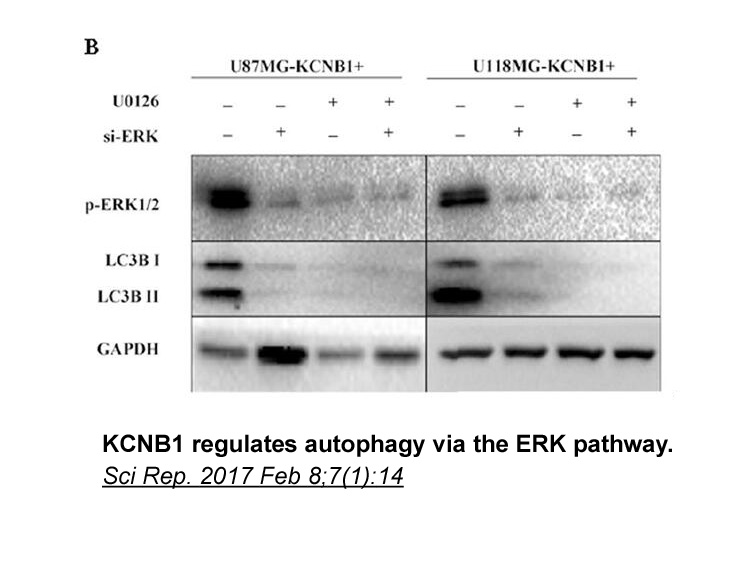
Alzheimer’s disease (AD) is an irreversible, age-associated neurodegenerative disorder that is characterized by progressive memory loss and cognitive decline. AD is also the leading cause of dementia, accounting for 5 million cases in the United States and 44 million cases worldwide. In 2015, AD c
An ALK rearrangement was found in all
2024-08-01
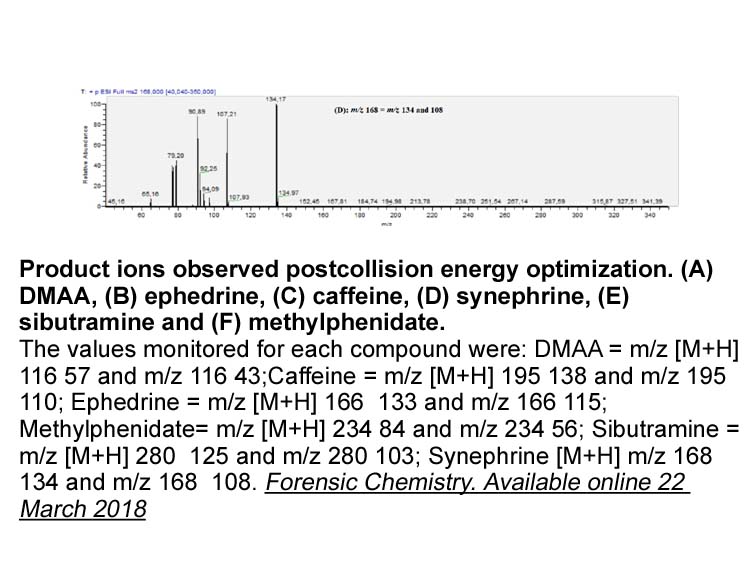
An ALK rearrangement was found in all the analyzable ‘truly positive’ IHC+/FISH+ samples, and the proportion of the various transcripts was in accordance with the literature [[26], [46], [47], [48]]. In these samples, the RNA-seq technique was therefore 100% sensitive and specific. Additional non-ta
First investigation of numerous membered ether linked macroc
2024-08-01
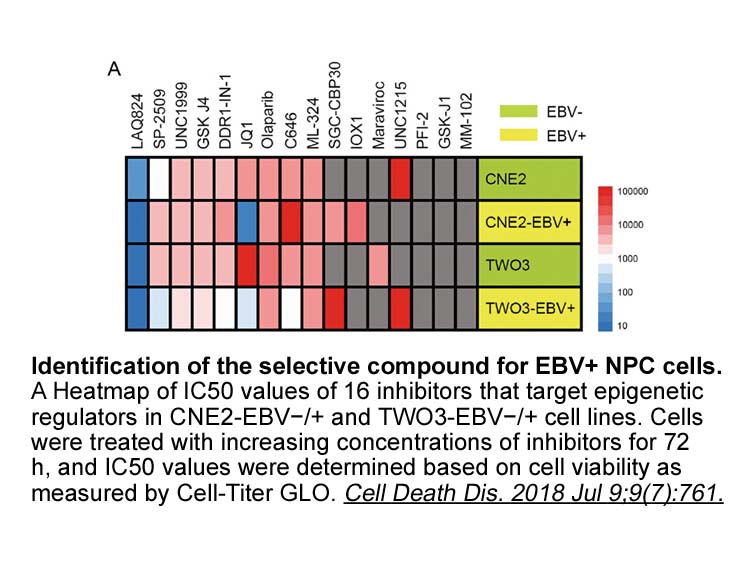
First, investigation of numerous 12-14-membered ether-linked macrocycles revealed that smaller motifs were most lipophilic efficient. Compound (3) (12-membered macrocycle) exhibited good cellular potencies (ALK IC50 = 1.0 nM; ALK-L1196 M IC50 = 20 nM) and the highest LipE (4.4) with picomolar bindin
2272 mg In this study for the
2024-08-01
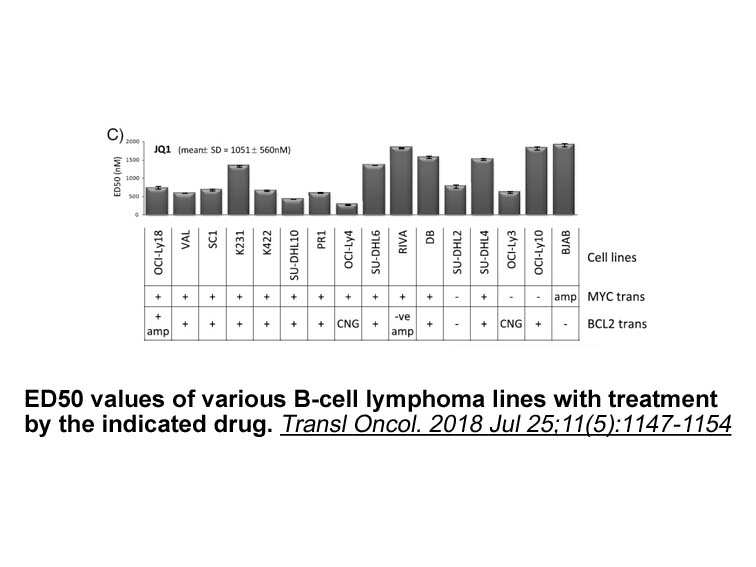
In this study, for the first instant we report the characterization, production and in silico structural analysis of BADH1 gene in B. haloduranss SMBPL06 isolated from the salt pan. Moreover, the sequence analysis of betaine aldehyde dehydrogenase from B. haloduranss SMBPL06 displayed several base s
In the search for more
2024-08-01
In the search for more specific inhibitors of uptake2, Iversen and Salt (1970) speculated that steroids may potentiate the actions of catecholamines on vascular smooth muscle by inhibiting uptake2-mediated catecholamine clearance of the transmitters. They went on to demonstrate that a variety of ste
br Expression of adiponectin mRNA in chickens We first
2024-08-01
Expression of adiponectin mRNA in chickens We first sought to determine the nucleotide sequence of the chicken adiponectin cDNA. The open reading frame of the chicken adiponectin cDNA consists of 735 nucleotides that was 65–68% homologous to various mammalian adiponectin cDNAs (Maddineni et al.,
br Expression of adiponectin mRNA in chickens We first
2024-08-01
Expression of adiponectin mRNA in chickens We first sought to determine the nucleotide sequence of the chicken adiponectin cDNA. The open reading frame of the chicken adiponectin cDNA consists of 735 nucleotides that was 65–68% homologous to various mammalian adiponectin cDNAs (Maddineni et al.,
In addition to the above mentioned
2024-08-01
In addition to the above-mentioned synaptic mechanisms, the serotonergic system also has a critical role in the antidepressant effects of mGlu2/3 receptor antagonists. Indeed, we previously reported that mGlu2/3 receptor antagonists increased the firing rate of serotonin neurons in the dorsal raphe
br Conflict of interest br Acknowledgement This study was
2024-08-01

Conflict of interest Acknowledgement This study was supported by a grant from University Grants Commission - Basic Scientific Research (UGC-BSR), New Delhi, India (UGC-BSR No:F-7-115/2007). Introduction The G protein-coupled receptors activated by extracellular adenosine (Ado), called Aden
br Methods br Transparency document br Introduction
2024-08-01
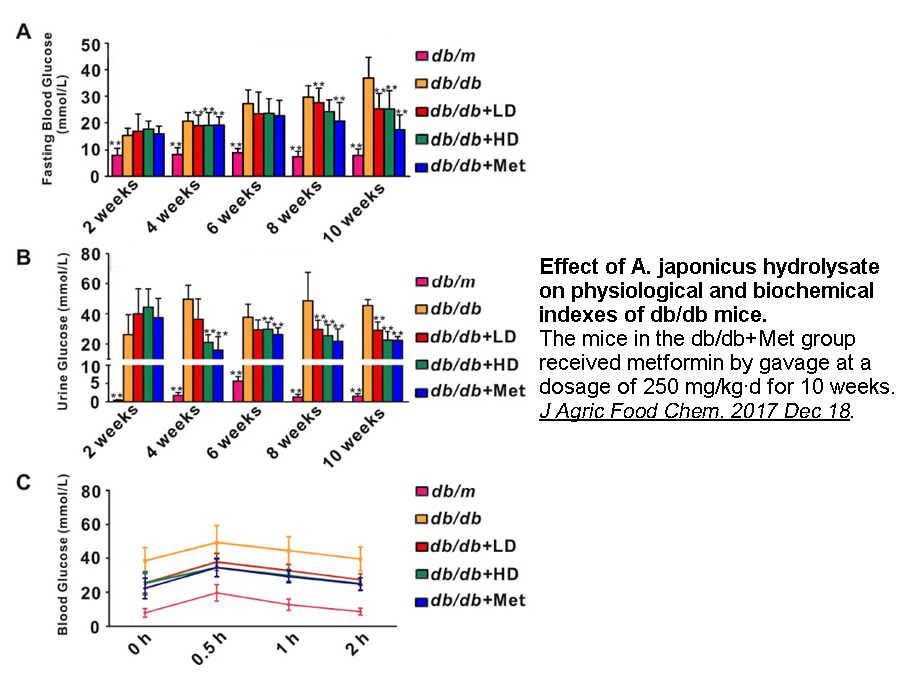
Methods Transparency document Introduction Epinephrine (EP) is a critical hormone and catecholamine neurotransmitter in nervous system of mammals.1, 2, 3 It has been known to accelerate and regulate heartbeat, blood pressure, bronchodilation, mydriasis, blood sugar and lipolysis, and can he
The first natural product described as LO inhibitor was
2024-07-31
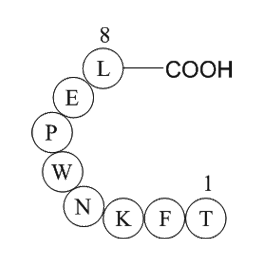
The first natural product described as 5-LO inhibitor was the polyphenol nordihydroguaiaretic Anisomycin from the Mexican dessert plant Larrea divaricata in 1981 (Bokoch and Reed, 1981), short after the initial identification of 5-LO in 1979 (Borgeat and Samuelsson, 1979). Long time before mPGES-1
8641 records 144/577 page Previous Next First page 上5页 141142143144145 下5页 Last page